The Vaginal Microbiome and Preterm Birth

A Summary by Savannah Sanders

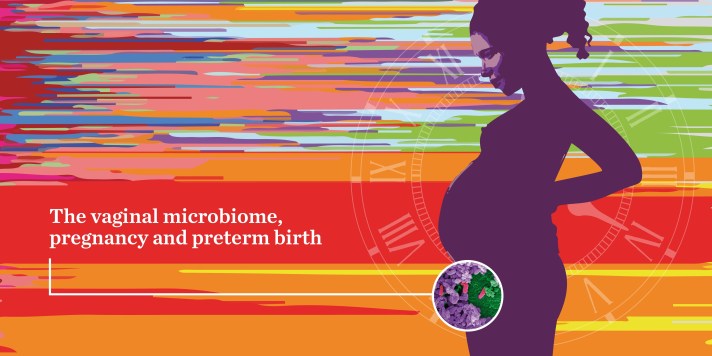
Image Citation: http://vmc.vcu.edu

Approximately 15 million preterm birth worldwide happen at less then 37 weeks of gestation. Preterm birth are the second most common cause of neonatal deaths around the world. PTB is also the most common cause for death in infants for middle and income economies. If a child who is born preterm lives, the consequences can impact the child’s life, all the way through adulthood. African American women are more likely to deliver preterm. The estimate annual cost for PTB in the United States is over 26.2 billion dollars.

Both genetics and the environment play a role in how long a mother will carry a child. The microbiome is one of the most important factors of gestation length. Especially amount women who have African American decent. Microbe-induced inflammation can be caused by urinary track infections, STI’S, trichomoniasis, and bacterial vaginosis and can have an effect on PTB. Microbes from the lower reproductive tract have been associated with 40%-50% of PTB.

Homogeneous Lactobacillus-dominated microbiome has been the center of health for the female reproductive tract. And microbes similar to bacteria vaginosis have been known to cause STI’S, PTB, and pelvic inflammatory disease. However, women who are asymptomatic have had the microbes that cause harm. More research is going to happen to promote health, prevent and treat disease.

Reports that the microbiome “2,23,24,25,26,27,28,29,30,31,32,33,34,35,36,37,38,39” suggest that vaginal microbiome has a high impact on PTB risk. Several studies show that the women with Lactobacillus crispatus have a lower risk of PTB. Whereas, African American women differ significantly. African American women are less likely to exhibit vaginal Lactobacillus. Population specific studies will need to happen to determine the impact of vaginal microbiome on PTB.

In one of the most recent studies, samples where collected from 1,572 pregnant women of all different ancestral decent. Omics data was generated from 579 pregnancies under the National Institutes of Health’s integrative Human Microbiome Project (iHMP). The study consisted of longitudinal, comprehensive, multi-omic profiling of 45 women that had a spontaneous PTB. 90 of the cases matched the controls and where of African American decent. This was one of the most largest comprehensive studies of the vaginal microbiome. The identified vaginal microbes that are associated with PTB.

Enterovirus D68

A Summary by Savannah Sanders

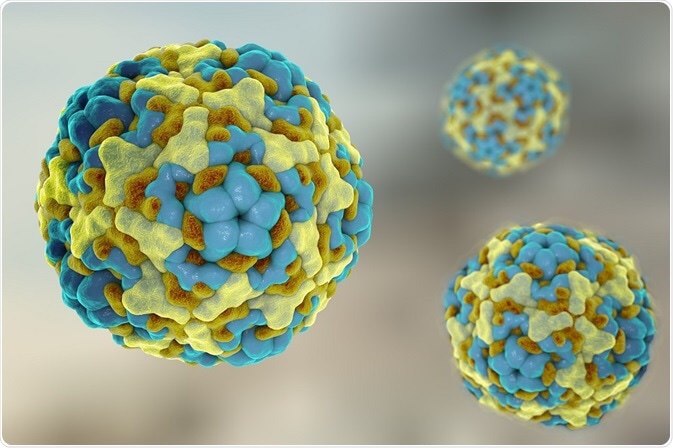
Image Credit: Kateryna Kon / Shutterstock

Enterovirus D68 (EV-D68) is a virus that is associated with acute respiratory illness (ARI). In fall of 2014 an outbreak of Enterovirus as reported. Previously, EV-D68 was rarely reported to the CDC. In the United States, the common times of reported cases of EV-D68 was during late summer and early fall. EV-D68 epidemiology is not generally understood because most of the cases of EV-D68 are not reported to the CDC. So, for the CDC to gain more knowledge of the epidemiology of EV-D68, they activated surveillance among pediatric patients in seven U.S medical centers though the New Vaccine Surveillance Network (NVSN). The investigation focused on emergency departments by testing and detecting EV-D68 in patients that show symptoms of ARI. The CDC reported “at all NVSN sites during July 1–October 31, 2017, and the same period in 2018. Among patients with ARI who were tested, EV-D68 was detected in two patients (0.8%) in 2017 and 358 (13.9%) in 2018. Continued active, prospective surveillance of EV-D68–associated ARI is needed to better understand EV-D68 epidemiology in the United States.” (CDC, 2018).

The NVSN did testing in medical centers children and teens under the age of 18. The preformed mid-turbinate nasal and/or oropharyngeal swabs to detect EV-D68 in patients that showed signs of ARI using a validated real-time reverse transcription–polymerase chain reaction assay. In Nashville and Pittsburgh, the NVSN facilities tested directly for EV-D68. Whereas, Cincinnati, Houston, Kansas City, Rochester, and Seattle tested for enterovirus (EV) and rhinovirus (RV) first. Then is they received a positive EV or RV test, they would test for EV-D68. EV-D68 tests where delegated by age, year, month, sex, and admission status.

The preliminary results for the data collected was reported by the CDC that 2 out of 2,433 patients tested positive for EV-D68 in 2017 and 358 out of 2,579 patients in 2018. In 2017, one patient was hospitalized in Huston who was originally evaluated in the emergency department. In 2018, a’’ seven sights had positive tests for EV-D68 and 242 of 358 patients were hospitalized. The CDC states that “EV-D68 was detected in 9.2% of patients with ED visits for ARI and 18.3% of hospitalized patients with ARI. Approximately half (169; 47.2%) of the 2018 EV-D68 detections occurred in September”. (CDC, 2018) The peak of detection was varied depending on the sight, Cincinnati and Kansas City peaking in late August through September, Houston, Pittsburgh, and Rochester peaking in mid September, and Nashville and Seattle peaking in October. The median range of patients who tested positive was three years of age with 211 being males.

During 2018 cases of positive EV-D68 patients increased dramatically compared to 2017. European countries also reported an increase in the number of EV-D68 cases. EV-D68 is associated with ARI, but previous reports suggest that EV-D68 can also be associated with acute flaccid myelitis (AFM). AFM is a neurological condition that has symptoms of flaccid limb weakness. As of March, 2019 the CDC has reported 223 cases of EV-D68 with symptoms of AFM with a peak of AFM symptoms starting in September 2018. Whereas, in 2017 only 35 cases of EV-68 with symptoms of AFM was reported. The CDC announce their limitations with this study that “First, this report describes EV-D68 testing within NVSN during July–October of each year, but additional cases likely occurred outside this period in 2018. Therefore, the results might not be representative of the entire EV-D68 season. Second, NVSN sentinel surveillance sites are geographically varied, but might not be representative of all regions of the United States.” (CDC, 2018)

Kujawski SA, Midgley CM, Rha B, et al. Enterovirus D68–Associated Acute Respiratory Illness — New Vaccine Surveillance Network, United States, July–October, 2017 and 2018. MMWR Morb Mortal Wkly Rep 2019;68:277–280. DOI: http://dx.doi.org/10.15585/mmwr.mm6812a1external icon.

Increase in Measles Cases- United States. January 1st – April 26, 2019

A Summary by Savannah Sanders

Image by

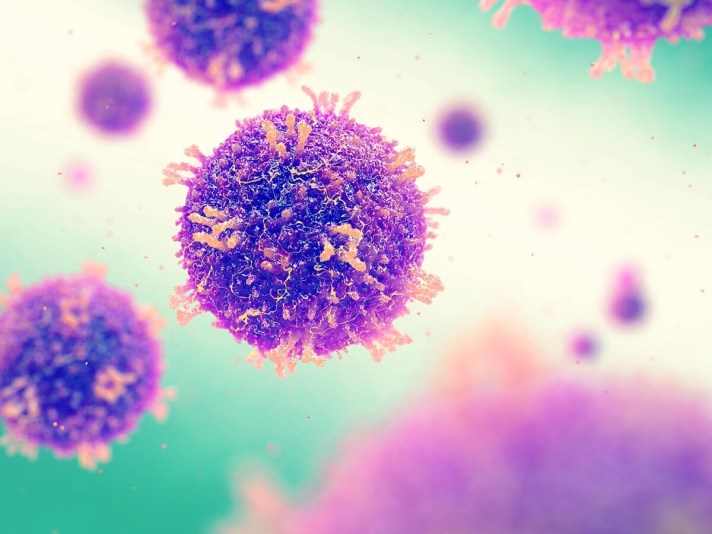
Since January of this year there has been an increase of Measles cases. Just this year, The CDC has reported 704 cases in the United States. There hasn’t been this many cases of the Measles in the United States since 1994, when 963 cases occurred. In the year 2000, the Measles was declared eliminated from the United States. The Measles is a high infectious viral illness that can cause high fever, rash, phenomena, and death. Out of the 704 cases, 503 (71%) where unvaccinated individuals and 66 (9%) people where hospitalized. 689 (98%) of the infected individuals where U.S residents. The elimination in the year 2000 was due to proficient vaccination protocols. With the recent lowering amount of people getting vaccinated and vaccinating their children, and travelers acquiring Measles abroad and returning to the U.S. is cause for the recent outbreaks in the Unites States. The CDC states that “Health care providers should ensure persons are up to date with measles, mumps, rubella (MMR) vaccine, including before international travel, and rapidly report all suspected cases of measles to public health authorities.” (CDC, 2019)

Before 2019, the highest amount of cases since the elimination in 2000 was in 2014, with 667 cases reported. Under-immunized individuals in the Amish community located in Ohio is associated with this outbreak. An average 7 million people get the Measles worldwide each year. But since 2016, that number has increased by 5 to 6 million cases each year. However, most of these cases do not lead to an outbreak because of state and local health departments rapidly controlling the cases.

The Measles vaccine has a coverage of 91% in children age 13-35 months. Under-immunized and not immunized communities are at risk for outbreaks. Most of the individuals who lack vaccinations have heard misinformation about Measles and the MMR vaccine. The CDC states that “In addition to routine recommendations for MMR vaccination (3), infants aged 6–11 months should receive 1 dose of MMR vaccine, and adults should receive a second dose before international travel (3); infants who receive MMR vaccine before their first birthday should receive 2 additional doses (1 dose at age 12–15 months and another dose at least 28 days after the first dose).” (CDC, 2019)

U.S citizens who are expecting to travel internationally are at risk for getting the Measles and should have evidence of a high level of immunity towards the Measles. According to the CDC “Only written (not self-report) documentation of age-appropriate vaccination, laboratory evidence of immunity, laboratory confirmation of disease, or birth before 1957 is considered acceptable presumptive evidence of immunity.” (CDC, 2019) Health professionals and doctors should vaccinate individuals for the Measles knowing that their patient is traveling internationally and for those who don’t have proper evidence of immunity.

References

Patel M, Lee AD, Redd SB, et al. Increase in Measles Cases — United States, January 1–April 26, 2019. MMWR Morb Mortal Wkly Rep 2019;68:402–404. DOI: http://dx.doi.org/10.15585/mmwr.mm6817e1external icon.

Image Credit: : https://woodruffsawyer.com/claims/measles-outbreak-employers-guide-claims/

Hepatitis C Directly Transmitted by Opioid Drug Derived from Nurse

A Summary by Savannah Sanders

Photo by Monash University

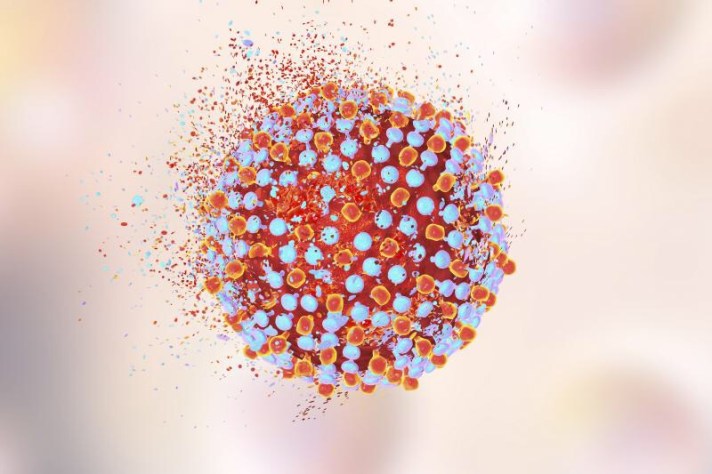
In January 22 to March 23, 2018 a health department in Washington was notified about two patients that had just recently receive a diagnosis of acute hepatitis C virus (HCV). Both patients had never participated in risky behavior that could cause hepatitis C, but both where recently injected with an opioid drug from the same nurse during their separate visits to the emergency room at their local hospital. One patient was in the ER on December 6th and the other December 16th 2017. With some investigation, it was found that the nurse had accessed the automated drug dispensing system more frequently then other nurses in the same department. The nurse admitted to using these injectable opioid drugs and antihistamine drugs for her own personal use. This nurse did test positive for HCV antibodies on March 19, 2018, but did not have HCV RNA.

With further investigation, both specimens taken from the patients had genetic testing from the CDC and a HCV viral variants test found that both patients had genetically similar HCV. This indicates that these patients source of infection was in fact related.

The first patient was a 60-year-old man who was visiting the ER for abdominal pain on December 6, 2017. He receives an injectable narcotic from two nurses. The patient then reputed to the same ER on January 12th, 2018. The patient had a history of jaundice and his test results done in the ER that day showed elevated liver enzymes and he tested positive for anti-HCV and HCV RNA. In December 2016 this same patient had a HCV blood test for routine screening and it was negative. The two nursed who had dispensed the narcotic injection had used an automated drug dispensing system and in the systems log, both nurses withdrew over the amount of aloud narcotics from the system during February 2018. On March 19, 2018 one of the nurses (nurse A) was tested for anti-HCV using an immunoassay test, which was positive, and tested negative for HCV RNA using a real time reverse transcription-polymerase chain reaction test. A week later she tested positive for HCV RNA. Her levels of HCV where less that’s the lower limit of detection of 15 IU/mL, to low for viral sequencing. This nurse admitted to using patient’s injectable drugs for her own personal use while working in the ER department. The other nurse (nurse B) tested negative for anti-HCV using an immunoassay test. Both of the nurses tested negative for HIV and Hep B.

The second patient was a 50-year-old women who came into the same ER, on December 16, 2018. She had a complaint of neck pain and nurse A gave the injectable narcotic drug. This patient returned back to the ER on March 23, 2018 with jaundice and tested positive for anti-HCV and HCV RNA.

The CDC Division of Viral hepatitis, genetically sequenced and phylogenetic analyzed both the ER patients. The CDC states that “a high degree of similarity in nucleotide sequence (>96%) between HCV variants sampled from two persons indicated a common source of transmission (3,4). Both patients had HCV genotype 1a that was >96% similar. (CDC, 2019) The CDC could not compare the nurse’s sample because her titters where to low.

By November 1, 2018 1,863 of 2,762 patents where tested for HCV, HBV and HIV infections including 175 of the 208 patients what where treated by nurse A. Out of the 175, 20 patients tested positive for anti-HCV or HCV RNA. 13 of the 20 patients had a HCV genotype 1a that was >96% similarity. 1,688 patents had no record of treatment by nurse A, 65 patients tested positive for anti-HCV or HCV RNA and where not genetically related. Non of the screened patients tested positive for HIV or HBV. No other health care providers in the ER where offered testing and no other health care providers gave treatment to the 13 patients with genetically similar HCV infection.

This HCV infection was likely to occur because of unsafe injection practices during the treatment of narcotic drugs by a health care provider. Other cases of unsafe injection practices have been reported that HCV transmission has been caused by a health care provider injecting themselves with the narcotic then refilling the syringe with water and injecting that into the patient. These cases where also investigated and found the HCV found in each patient was generally similar.

Reference

Njuguna HN, Stinson D, Montgomery P, et al. Hepatitis C Virus Potentially Transmitted by Opioid Drug Diversion from a Nurse — Washington, August 2017–March 2018. MMWR Morb Mortal Wkly Rep 2019;68:374–376. DOI: http://dx.doi.org/10.15585/mmwr.mm6816a3external icon.

Photo Credit: Monash University, https://www.rdmag.com/news/2017/05/hepatitis-c-researchers-uncover-potential-new-therapeutic-targets

Updates on Vaccine-Derived Poliovirus Outbreaks

A Summary by Savannah Sanders

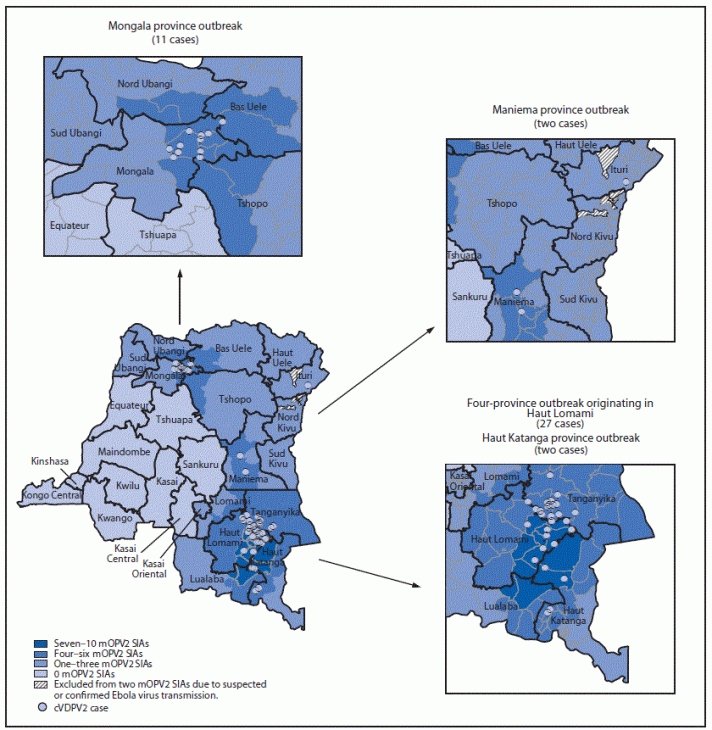
Image By The CDC and Authors: Mbaeyi C, Alleman MM, Ehrhardt D, et al.

Update on Vaccines-Derived Poliovirus Outbreaks- Democratic Republic of the Congo and the Horn of Africa, 2017-2018

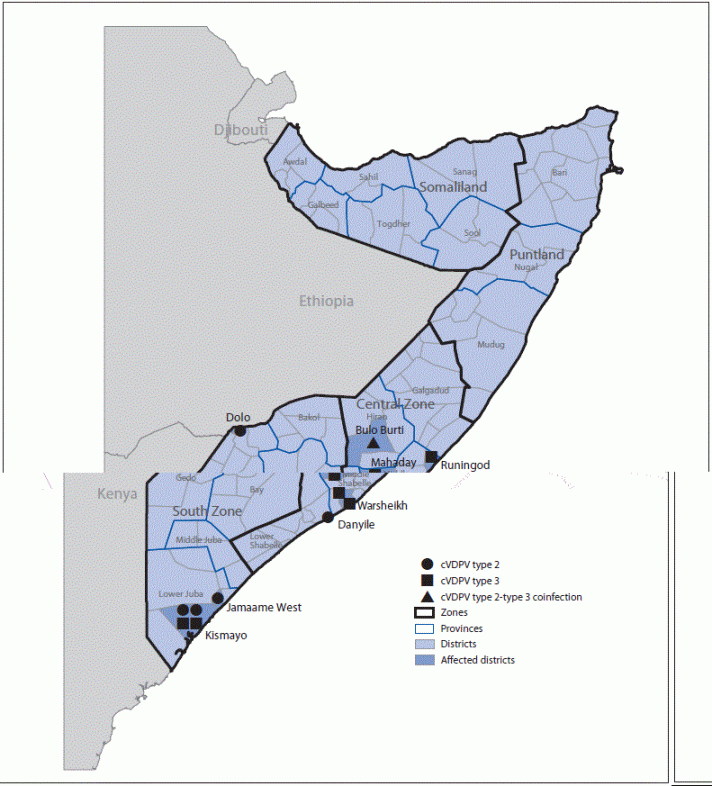
In the Democratic Republic of the Congo and Horn of Africa, a great number of the citizens do not have access to the use of the live attenuated Sabin oral poliovirus vaccine (OPV). Transmission of Sabin poliovirus can go from person to person, which can cause genetic reversion, neurovirulence, and paralytic vaccine deprived poliovirus disease (VDPV). In the Democratic Republic of Congo outbreaks of VDPV type two (cVDPV2) have been reported, and Somalia has reports of VDPV type 3 (cVDPV3) in 2017-2018. 42 total cases of cVDPV2 in the DRC with the most recent reported case on October 7, 2018. In Somalia, samples of sewage detected cVDPV3 before any reports of the disease in humans. A total of 12 type 2 and type 3 cases of cVDPV have been found in humans in Somalia, with the most recent case on September 7, 2018. It will be a challenge of interrupting the spread of this disease because of the population of children alone, which is over 300,000. More time for surveillance is needed before anyone tries to stop the cVDPV virus.

When polioviruses replicate during transmission nucleotides substitute at 1.1% and accumulate in the genome. This can determine how long that particle strain has been circulating. VDPV are considered circulating when transmissions of the disease are genetically linked and is isolated from paralytic cases, community contact, and environmental sample, such as sewage.

The trivalent OPV (tOPV) vaccine contained the vaccine for type 1, 2 and 3 immunization. The portion the vaccine that prevented type 2 VDPV was responsible for 90% of the cases of VDPV in 2006-2015. After the declaration of eradication of wild poliovirus type 2 in 2015, the vaccine was globally changed to just type 1 and 3 Bivalent OPV (bOPV). The bOPV vaccine has inactivated poliovirus vaccine (IPV) and includes a single dose of all three poliovirus stereotypes instead of live sample of the poliovirus. This has been used for routine immunization and is used to lower the risk of people contracting type 2. However, a vaccine monovalent type 2 OPV is held in stock for a backup in case of a outbreak of type 2 since the switch occurred.

cVDPV2 outbreaks have been seen recently in the DRC. Two cases have been recorded in Maniema province, four cases in Haut Lomami, 11 cases in Mongala province, and two cases in Katanga province. When investigating each one of these cases, they found that there was a difference in nucleotides compared to the Sabin 2. Remember, this indicates the length of time the virus has been circulating. In Haut Lomami, the nucleotides has a difference of 15 different nucleotides, indicating that the virus as been circulating for over a year. An additional 26 cases where genetically associated with these outbreaks.

The Horn of Africa has outbreaks of cVDPV2 and cVDPV3. Samples of those virus was found in sewage collected from Banadir province and Somalia in October of 2017 and January 2018. The two samples where genetically linked together and again linked with another sample taken in two different sites in April 2018. This indicated that this particular strain of the VDPV has been circulating for over 3 years, with a difference of 36-44 nucleotides for cVDPV2 and over 1 year with 15-16 different nucleotides for cVDPV3.

Because of very low immunizations for children in both countries, during 2005-2013, multiple outbreaks of cVDPV2 occurred. Since then, tOPV where annually given. Then the switch to bOPV happened. The continue of outbreaks in 2017-2018 shows that children where not effectively prevented from the strains of cVDPV2 with the use of tOPV vaccine and cVDPV3 after the switch to bOPV. In places such as Mozambique, Niger, Nigeria and Syria, recent outbreaks have occurred in 2017-2018. This indicated that still a population of people are not getting vaccinated. It will take some time before all areas of this county receive the VDPV preventing vaccines.

Image By The CDC and Authors: Mbaeyi C, Alleman MM, Ehrhardt D, et al.

Mbaeyi C, Alleman MM, Ehrhardt D, et al. Update on Vaccine-Derived Poliovirus Outbreaks — Democratic Republic of the Congo and Horn of Africa, 2017–2018. MMWR Morb Mortal Wkly Rep 2019;68:225–230. DOI: http://dx.doi.org/10.15585/mmwr.mm6809a2External.

Colorado Tick Fever Virus Found in Oregon.

A Summary by Savannah Sanders

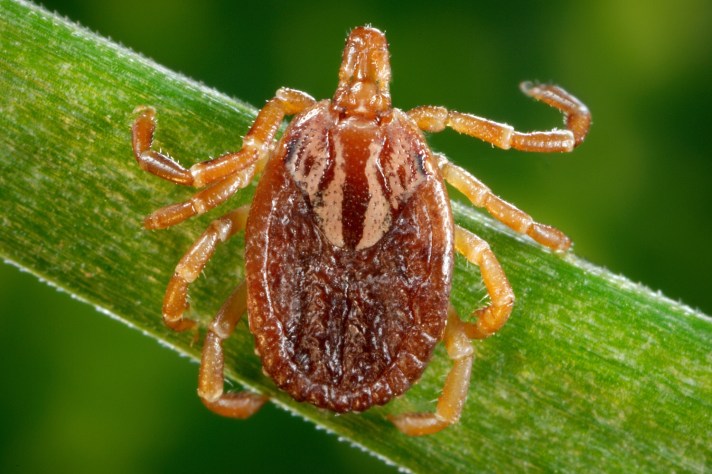
Image from wbur.org

Colorado Tick fever virus (CTF) has been found recently in a few cases in Oregon. According to the many authors who wrote the article “Notes from the Field: Investigation of Colorado Tick Fever Virus Disease Cases — Oregon, 2018”, “Over the past decade, the Oregon Health Authority has reported an average of less than one case of CTF per year.” (McDonald E, George D, Rekant S, et al., 2019) It has only been recently that four cases of CTF has been found in Oregon in 2018 and in a radius of 540 square miles in central Oregon. All four cases where reported at an elevation of 4,000–10,000 above sea level.

CTF virus is a coltivisus and is part of the family of Reoviridae, a small family of viruses composed of RNA. CTF is considered a arthropod-borne disease, which means that the virus is contractible from one live host to another. The coltivirus uses the wood tick as a reservoir before infecting the animals that the tick feeds on. Once in the body of the infected host. The coltivirus can either stay isolated from red blood cells, or it can infect the host bone marrow. Once the infection of the virus is in the bone marrow of the host, the virus can persist thought the lifespan of the red blood cell, in which is it protected from antibody’s of the immune system.

Symptoms of the virus include leukopenia, thrombocytopenia, fever, and rash. There is no known treatment for CTF virus, and in some cases can lead to hospitalization or death. All four of the reported victims in Oregon where reported to be bit by a tick previous to falling ill. Three out of four of the victims where hospitalized, treated with doxycycline, and all recovered from the their illnesses.

Because of the lack of cases of people contracting CTF virus in Oregon, there hasn’t been much to talk about. Because of these new cases arising, The Oregon health department is spreading awareness of the possibility of contracting CTF in central Oregon. They are asking people to use FDA approved insect repellent and asking those who have a high risk for tick exposure to stay indoors. It is important for people to be aware that tick bits can happen outdoors in Oregon and to speak medical attention it bit by a tick and/or experiencing prolonged illnesses.

References

Christopher J. Burrell, … Frederick A. Murphy, in Fenner and White’s Medical Virology (Fifth Edition), 2017: https://www.sciencedirect.com/topics/neuroscience/coltivirus

McDonald E, George D, Rekant S, et al. Notes from the Field: Investigation of Colorado Tick Fever Virus Disease Cases — Oregon, 2018. MMWR Morb Mortal Wkly Rep 2019;68:289–290. DOI: http://dx.doi.org/10.15585/mmwr.mm6812a4.

Tick image:https://www.wbur.org/onpoint/2017/06/13/preventing-lyme-a-new-disease-ticks-spread

Vaccines Save Lives

Image by Dorit Rubinstein Reiss

This is one of the many articles I will be writing as I go through the journey of nursing school. Health is very important for everyone, and I would like to share my findings.

This particular essay is all of my research on vaccines. The history, the ingredients, debunking recent myths, recent outbreaks, and how vaccines have changed the lives of many Americans. 

Vaccines Save Lives, Savannah Sanders, May 2019

Vaccines have become a controversial topic and has recently become the headlines of the media, a topic that many people are afraid of. The question is, do we get vaccinated and vaccinate our children, or not? Because of myths and people who are simply not educated in physiology, some people have opted out of getting vaccinated and vaccinating their children. This has caused outbreaks of certain diseases. Despite the recent controversy, vaccines have been proven to save lives and will continue to. As long as people continue to get vaccinated.

History of Vaccines
Edward Jenners is said to be the first person to come up with the idea of vaccination. However, people have been curing diseases through immunity as early as 1000 CE. China and India found a way to create an immunity against Smallpox by crushing up the scabs of a Smallpox victim and inhaling the particles into their nose. For centuries more diseases have plagued areas all over the world. Smallpox, whooping cough, the plague, and typhoid fever are just some of the infectious diseases that have killed thousands of people. It wasn’t until Jenner had a breakthrough. Jenner tested his hypothesis that an infection of small particles of Cowpox could protect someone from Smallpox. He was right. Jenner infected a patient with small particles of Cowpox from a cow and the patient built an immunity against Smallpox. Benjamin Waterhouse took Jenners Cowpox vaccine to the states and successfully prevented smallpox in many children. That is when news spread about the new protection from Smallpox. In the 1800, all the way from Russia, to India, and to the United States, the Smallpox vaccine was saving thousands of lives. The method of harvesting vaccines from the cells of animals or by growing pathogens in animals continued for half of the 20th century. However, not all disease grow well in animal bodies and not all animal cells are safe for humans. The method of culturing human cells to harvest vaccines is now recommended.

Vaccines and the Human Body
The human body has an incredible system called the immune system. The immune system is how you protect the body from dangerous pathogens and diseases. The immune system has two main jobs, to fight infections and then to remember those infection (create immunity). The fist part of the immune system is called the innate immune system. The innate immune system is the first defense for the body. The skin, body temperature and the immune cells all defend the body. If the pathogen makes it past the defenses, it will trigger the adaptive immune system. The adaptive immune system will release B cells and T cells. In short, B cells travel in the lymph system and are one of the memory cells, they remember surface antigens, bacteria and viruses. If someone is ever infected by a pathogen that they once already built an immunity to, the B cells will automatically know this, and will be able to kill the pathogen before it harms the body. There are three different types of T cells, memory T cells, helper T cells and killer T cells. Helper T cells are the messengers for the immune system, they produce a chemical that informs the Killer T cells to hunt and destroy a pathogen. The memory T cells are similar to memory B cells because they can remember how to kill a certain pathogen that once infected the body, but their job is to deal with viral antigens outside the infected cell.
Vaccines go hand in hand with the immune system. Humans have developed vaccines to use the immune system to remember certain pathogens to create an immunity, without being sick from the pathogen first. Because of the helper T and B cells, vaccines are able to inject a small amount of the cultured virus or bacteria (as well as other chemicals I will mention further on), these cells will remember how to fight the pathogen if the human body ever comes in to contract with the pathogen.

The Chemical Components of Vaccines
When making decisions about health, it’s important to know as much information possible. When considering vaccinations, its important to know what the chemical components of these vaccines are. The CDC (Centers for Control and Disease Prevention) has a list of every vaccine and their component listed on their website, (a copy of the ingredients is listed at the bottom of this article.) What are the main components that are in most vaccines? And what does the CDC thinks that everyone should know? The CDC specifies that “Chemicals are added to vaccines to inactivate a virus or bacteria and stabilize the vaccine, helping to preserve the vaccine and prevent it from losing its potency over time.” And “The amount of chemical additives found in vaccines is very small.” (U.S Department of Human Services. July, 2018)
Vaccines have a base composed of suspending fluid, usually sterile water or saline. Vaccines also contain a very small amount of culture material used when growing the pathogen in the lab. Common additives include, Aluminum as a gel or salt of aluminum, this helps the vaccines respond better through stimulation. Antibiotics are used in some vaccines to prevent any growth of unwanted bacteria. This is used during production and the packaging of the vaccines. Egg protein is used in yellow fever and most influenza vaccines, people who can eat eggs can receive this vaccine. Formaldehyde is used to kill other unwanted bacteria’s in the vaccine and inactivate bacteria’s as well. Formaldehyde is removed from the vaccine before it is packaged and is not injected into he human body. Monosodium Glutamate is another component in a few vaccines. MSG helps stabilize the vaccine when introduced to light, heat, acidity, or humidity. Thimerosol is a preservative that contains mercury. This is added to the bottles of vaccines that have multiple doses to prevent harmful growth of bacteria. The CDC also added that “All routinely recommended pediatric vaccines manufactured for the U.S. market are available in formulations that contain no thimerosal or only trace amounts.” (U.S Department of Health and Human Services. July, 2018)

Myths About Vaccines
The reason that there is a big controversy on vaccines is because of some myths that people believe to be true. One of the main myths around in the media is vaccines cause autism. This myth was started by Andrew Wakefield, a British surgeon. Wakefield published an article in 1997 suggesting that the MMR vaccines was the cause for the increase of autism. His article was completely discredited by false experiments and ethical violations. Wakefield lost his license because of this article. Many more experiments have been done since Wakefields accusations and none of them found a link between autism and any vaccines. Another common myth is the worry about infants immune systems being overloaded with the amount of vaccines given. The government published an informative response to this “Based on the number of antibodies present in the blood, a baby would theoretically have the ability to respond to around 10,000 vaccines at one time. Even if all 14 scheduled vaccines were given at once, it would only use up slightly more than 0.1% of a baby’s immune capacity. And scientists believe this capacity is purely theoretical. The immune system could never truly be overwhelmed because the cells in the system are constantly being replenished. In reality, babies are exposed to countless bacteria and viruses every day, and immunizations are negligible in comparison.” (Public Health.gov, 2019).
Heard Immunity and Recent Outbreaks
One other myth I will talk about is the misconception that people do not need to vaccinate because infection rates are already low in the United States. Hear immunity is an important factor of why infection rates are low. A large portion of people who get vaccinated is what causes the infection rates to be low. Because of heard immunity, a disease doesn’t have a chance to spread.
Because of the myths and the media’s negative remarks about vaccines, people are not vaccinating themselves or their children. This has caused a huge problem. In just 2019 alone, 555 people have been infected by measles already this year. Compared to 372 in all of 2018. The CDC says that there are two causes for this. The first one being an increased number of travelers bringing measles to the U.S. The second, is because the lack of people vaccinating has cause measles to spread.

Recent Outbreaks
Recently, in response to the controversies, vaccines have been being used less and less by many people. This has caused outbreaks of certain diseases. One of those diseases is Measles. In 2019 , there has been 704 confirmed cases of measles in a total of 22 states. With an increase of 78 cases each week. This is the greatest number of cases being reported since 1994. Measles where declared eliminated in the year 2000. The CDC states that the more measles cases are occurring because of travelers who are getting measles abroad and bringing it to the U.S and unvaccinated communities in the United States. The measles can be very harmful to children, people with weakened immune systems and the elderly. Common symptoms of the measles are a high fever and a rash inside the mouth and all over the body. It is also common that measles can cause a fever of 104.0 degrees Fahrenheit.
Another recent disease outbreak is Mumps, which is part of the MMR vaccine. In 2019 alone, 41 states have had confirmed cases with a total of 736 cases. Before the U.S started vaccinating against mumps it was an estimate of 186,000 total cases each year in the U.S. Since the use of vaccinations, the amount of cases seen each year have gone down 99%. Until 2006 when a steady increase of cases has been reported every 5 years. The Mumps can be less harmful then other infections however, they can still harm people with a weakened immune system and children because of the high fever associated with this infection. The Mumps symptoms usually only last 16-18 days and are associated with a common cold, such as a headache, fever, muscle aches, and tiredness. People who have the Mumps could also have no symptoms and not know that they are infected, this is why the infection can also be dangerous to unvaccinated children. Heard immunity can stop the spread of this infection to people who can not be vaccinated do to medical reasons and who have weak immune systems.
Chickenpox is a very infectious diseases caused the the varicella-zoster virus. Chickenpox symptoms are associated with fever and itchy bumps that cover the entire body of an infected individual. The CDC states that “Chickenpox can be serious, especially in babies, adolescents, adults, pregnant women, and people with a weakened immune system. The best way to prevent chickenpox is to get the chickenpox vaccine.” (CDC, 2019). In 1995 the Chickenpox vaccine became available in the United States saving people lives. The CDC also stated that “In the early 1990s, an average of 4 million people got chickenpox, 10,500 to 13,000 were hospitalized, and 100 to 150 died each year.” (CDC,2019). Even though the unites states has a vaccine for Chickenpox, people still are being infected by this virus today, but the amount of individuals becoming infected have lowered.

Hepatitis B Virus
One controversy associated with vaccinating infants is the Hepatitis B vaccine. Some people do not see the necessity for getting their newborn baby vaccinated for a diseases that they don’t have and don’t expect their babies to get. Hepatitis B virus (HBV) is a serious diseases that causes liver diseases and can later lead to liver cancer. So, why is it important to get you newborn baby vaccinated for HBV? HBV can spread though blood and other body fluids. Once a person is infected with HBV, it will forever remain in their bodies. You may be asking yourself “my child isn’t going to be using intravenous drugs and having unprotected sex, why do they need this? Well, HBV can be passed not only by having sex and sharing needles, it can be passed by saliva as well. Common ways that children get HBV is from the birth by a mother with HBV, being bitten by another infected person, touching open sores or cuts of an infected person, sharing a toothbrush, and eating food that was chewed up for the baby to eat by an infected person. With a little explanation, it is easy to see how children can get infected by HBV. The virus itself can also last 7 days on an object, even without the presence of body fluids of blood.

Thanks to Vaccines
Something worth mentioning is some infectious diseases that have been eliminated from the United States because of the use of vaccines. Rubella is a virus that was eliminated from the united sates in 2004. Rubella isn’t prevalent in the United States, but there is many outbreaks in other countries of the world. Because of this, there is a chance rubella can be spread to the United States by unvaccinated travelers.
Polio is a extremely deadly virus that killed 35,000 people in the Unites States each year. This was until the Poliovirus vaccine was introduced. The United States have been free from polio since 1979. Poliovirus directly effects the body by spreading to the brain and spinal cord of the infected individual. Poliovirus is still at large in other countries because of lack of resources for vaccinating people, such as Asia and Africa. Because of scientist and their hard work creating the Polio vaccine, and parents vaccinating their children, the United States has been free of Polio for 30 year.
Another virus that has been eliminated from the United States is Smallpox. Because of Smallpox, 3 out of 10 individuals would die from being infected. Because of Edward Jenner’s breakthrough the last individual to die from being infected with Smallpox was in 1978. Eradication of smallpox was declared on May 8th 1980 and the CDC quotes “Eradication of smallpox is considered the biggest achievement in international public health.”(CDC, 2019).

Conclusion
Vaccinations are important for the health of children and adults. Vaccines save lives. Accounting to the CDC, Public health, and other government agencies, vaccines are safe and a great part of modern medicine. The chemical components in vaccines are safe and there are other options to get vaccines that do not have the preservatives at an ingredient. Vaccines have been around for many years and have been the savior for many children, adults, and the elderly. The media and some people are not educated about vaccinations, but the body is meant to use the immune system and can handle vaccinations, even infants. Those myths sound scary, but they have been debunked by scientist, published by the government, and there is an explanation for all of them. So please, understand why vaccinations are important to the lives of other, including those who can not get vaccinated because of medical reasons, heard immunity saves lives and has been the breakthrough for eliminating some infectious diseases in the United States. Having an immunity to infectious diseases is such an amazing gift and has created a safe environment that other people don’t get to experience in other countries.

References
Centers for Disease Control and Prevention. A Polio Free U.S, Thanks to Vaccine Efforts. 2019. https://www.cdc.gov/features/poliofacts/index.html
Centers for Disease Control and Prevention. About Chickenpox. 2019. https://www.cdc.gov/chickenpox/about/index.html
Centers for Disease Control and Prevention. Hepatitis B and the Vaccine (Shot) to Prevent it. 2019. https://www.cdc.gov/vaccines/parents/diseases/child/hepb.html
Centers for Disease Control and Prevention. History of Smallpox. 2019. https://www.cdc.gov/smallpox/history/history.html
Centers for Disease Control and Prevention. Measles Cases and Outbreaks. 2019. https://www.cdc.gov/measles/cases-outbreaks.html
Centers for Disease Control and Prevention. Measles Signs and Symptoms. 2019. https://www.cdc.gov/measles/about/signs-symptoms.html
Centers for Disease Control and Prevention. Mumps Cases and Outbreaks. 2019. https://www.cdc.gov/mumps/outbreaks.html
Centers for Disease Control and Prevention. Mumps Signs and Symptoms. 2019. https://www.cdc.gov/mumps/about/signs-symptoms.html
Centers for Disease Control and Prevention. Rubella in the U.S. 2019. https://www.cdc.gov/rubella/about/in-the-us.html
Centers for Disease Control and Prevention. Understanding How Vaccines Work. (Adapted from the National Institute of Allergy and Infectious Diseases, Understanding Vaccines https://www.niaid.nih.gov/research/how- vaccines-work) July, 2018: https://www.cdc.gov/vaccines/hcp/conversations/downloads/vacsafe-understand-color-office.pdf
Clem, Angela. Fundamentals of Vaccine Immunology. Journal of Global Infectious Disease. 2011. https://www.ncbi.nlm.nih.gov/pmc/articles/PMC3068582/
National Center for Immunization and Respiratory Diseases. Vaccines and immunizations. Centers for Disease Control and Prevention. July 12, 2018. U.S. Department of Health & Human Services: https://www.cdc.gov/vaccines/vac-gen/additives.htm
Public Health. Vaccine Myth Debunked. Health Guides. 2019. https://www.publichealth.org/public-awareness/understanding-vaccines/vaccine-myths-debunked
The College of Physicians of Philadelphia. The History of Vaccines. 2019 The College of Physicians of Philadelphia: https://www.historyofvaccines.org/timeline#EVT_102203

Image Reference: https://www.skepticalraptor.com/skepticalraptorblog.php/samoa-vaccine-story-anti-vaccine-websites/

Individual Vaccine Ingredients

Click to access excipient-table-2.pdf